
ARCI Field Officer
Emergency Response Team
Responsible for coordinating field activities, assessing community needs, and ensuring timely delivery of shelter support to affected families.


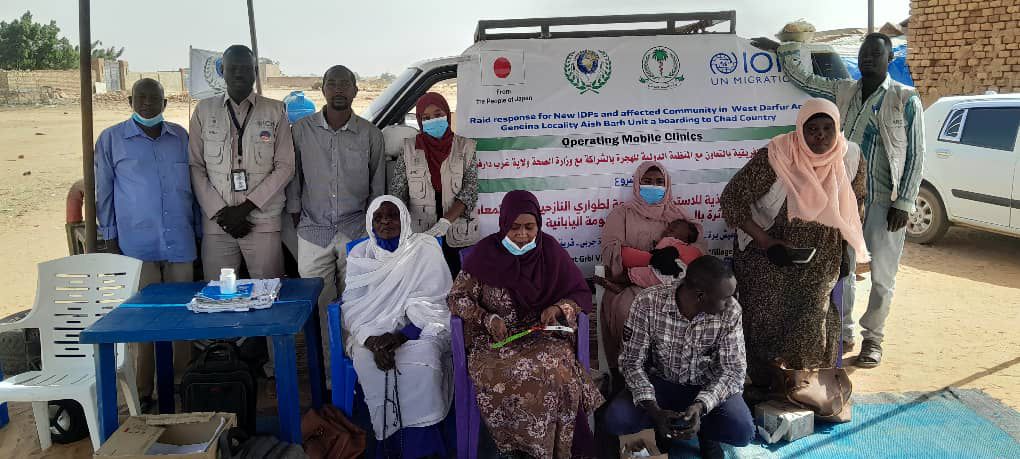
Since 15 April 2023 the on-going conflict in Sudan has led to large-scale displacement and increased humanitarian needs, with an estimated 30.4 million1 people requiring assistance. Many displaced populations lack access to essential healthcare, while Points of Entry (PoEs) struggle to manage cross-border movements. There is significant vulnerability of the overall population due to lack of access to government health services, and on-going insecurity. The ongoing conflict in Sudan has created a severe humanitarian crisis, with large-scale displacement and extreme vulnerability among affected populations. Limited access to essential healthcare in conflict-affected areas—especially in West Darfur—necessitates immediate action. Below is a detailed justification for ARC's proposed intervention. High Disease Burden: The region is experiencing widespread cases of diarrhea, malaria, and acute respiratory infections (ARI) due to inadequate healthcare services and poor sanitation. Limited MoH Capacity: The Ministry of Health (MoH) has minimal presence in rural and hard-to- reach areas, particularly near rebel-held territories, leading to significant gaps in medical care. Low Functionality of Health Facilities: Before ARC's intervention, only 30% of health facilities were operating in Darfur region and currently functioning PHC are 89 out of 130 PHCs in West Darfur and even these were providing only limited services. ARC’s Role in Strengthening Health Service Delivery. Expanding Primary Healthcare (PHC) Access: ARC will operate two PHC facilities in El Genaina locality, covering 105,470 vulnerable people. Supporting the Local Health Department (LHD): Strengthening the LHD's capacity for healthcare coordination in the locality Providing Essential Medical Personnel: ARC is formally requesting MoH to second staff to supported health facilities to ensure qualified personnel availability and promote long-termMoH presence is thin due to low capacity and proximity to rebel-held areas in West Darfur, rural, and hard-to-reach area. The health status of the populations of West Darfur remains critical with diarrhea, malaria, and acute respiratory infection (ARI) regularly affecting large numbers of people. Prior to ARC intervention in Darfur region, only 30%of health facilities were functional in Darfur Region and most of these were providing only limited services. According to WHO report2, out 130 Health Facilities in West Darfur only 89 HF are functioning with percentage of 68%. ARC proposes to provide health services through a total of 2 PHC facilities in El Genaina locality West Darfur, covering a catchment population of 105,470 vulnerable people, while also supporting the locality health department (LHD) in the locality where these facilities are located. Through the supportof other donors,ARC has in place seconded staff from MoH, however, these staff need regular refresher training (including on IMCI, reproductive health and SGBV, and facility management) to enable them to effectively provide health services in these localities. ARC formally will request the Ministry of Health to second staff to the health facilities it supports. This measure aims to ensure the assignment of qualified personnel, facilitate long-term capacity building, and enhance sustainability. ARC currently supports Primary Health Care (PHC) services in several localities across West Darfur, including Kulbus and Jebel Moon localities, where PHC facilities are managed in partnership with humanitarian organizations. ARC proposes to expand it’s services to 2 PHC services and two mobile clinics in El Genaina locality, to provide service to 105,470 vulnerable people these facilities need new seconded staff to provide services in the new Health facilities Through community-based midwives and community nutrition volunteers (CNVs), ARC will be able to provide reproductive health services and nutrition screenings. ARC will ensure referrals are in place particularly for EMOC, Severe Acute Malnutrition, and SGBV cases, and all referred cases will have costs covered by ARC and results monitored back at the PHC. ARC ensures Infection Prevention Control (IPC) in all supported health facilities and training for communities, staff, and health system stakeholders. ARC will provide Personal Preventive Equipment’s (PPEs) to staff. Furthermore, all PHCs will undergo minor rehabilitations, which will include repairs of doors, painting of walls, windows, locks, and basic servicing. Solar systems will be installed. Water trucking and other minor maintenance and repairs will be carried out to ensure that medicines and supplies can be stored securely and safely, and to ensure that the facility overall functions properly. For health and nutrition interventions, ARC closely coordinates activities with West Darfur Ministry of Health (SMoH), and regular meetings will be set up with the relevant LHDs, referral hospitals, and sector partners. ARC will submit weekly EWARS reports from all the supported clinics to the State MoH and WHO and attends the weekly coordination meeting at State MoH level. ARC programmanagers in WestDarfur facilitate coordination with State MOH,UNICEF, UNFPA, WHO and other stakeholders at State level. At locality level, ARC works with LHD staff to implement activities and oversee quality of services. This includes also ensuring effective reporting to the Health Information System and that data is available, as well as ensure that facilities and localities are regularly submitting EWARN reports outcomes.. Several humanitarian organizations and health agencies are working in El Geneina to address healthcare needs amidst conflict and displacement. Key actors including MSF, WHO, UNICEF additional to SMoH. This programaligns with Sudan's national priorities, including the National HealthSector Strategic Plan,focusing on improving maternal and child health, healthcare infrastructure, and reducing malnutrition rates. It also supports international commitments, such as the Sustainable Development Goals (SDG 3: Good Health and Well-being). The relevance of the programlies in its holistic approach to addressing healthcare challenges in West Darfur.


